
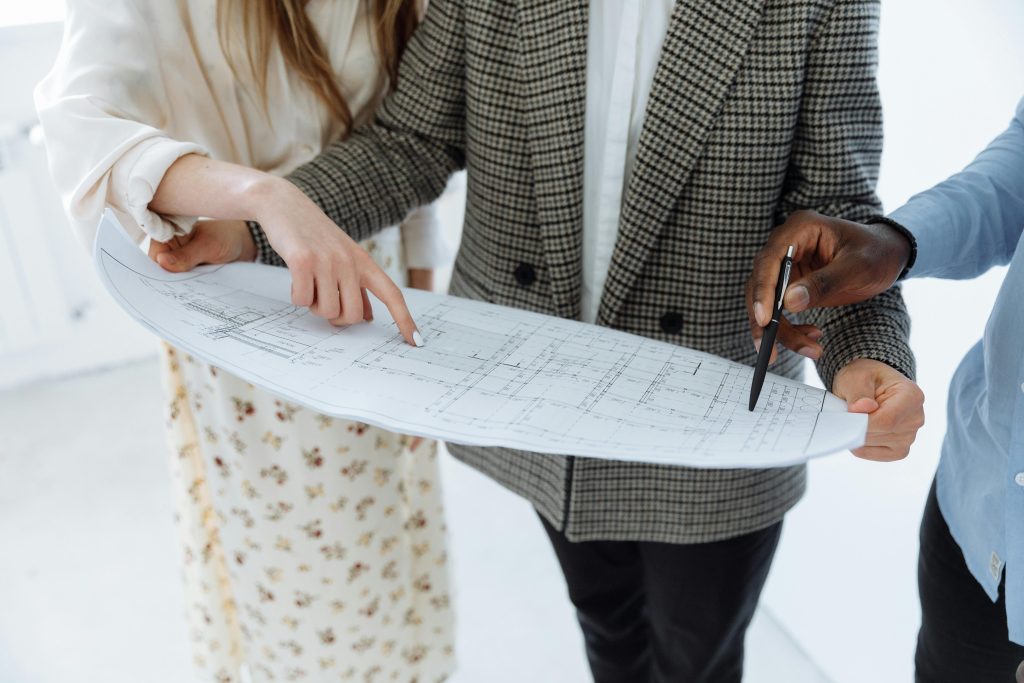
Design build construction is changing how projects move from concept to completion. Instead of hiring separate teams for design and construction, project owners work under one contract with a unified team. That alignment creates clearer communication, faster decision-making, and fewer handoffs during the most critical moments of a project.
In traditional delivery, design and construction teams often operate in silos. Even with great partnerships, the process can lead to delays, conflicting priorities, and change orders that could have been avoided with earlier coordination. Design build helps reduce those friction points by bringing designers, engineers, and builders to the table from day one.
For owners and communities, the biggest benefit is simple: a smoother path from planning to reality. When collaboration is built into the delivery method, teams can focus less on managing process and more on delivering a quality outcome.
What Is Design Build Construction?
Design build construction is a project delivery method where design and construction are delivered together under one agreement. The owner contracts with a design-build entity (a firm or team) that manages both the design process and the construction work.
A core feature of design build is early teamwork. Architects, engineers, and construction professionals collaborate upfront, which helps align the project vision, budget, schedule, and technical requirements before issues become expensive.
Because design and construction teams work together throughout the project, design build often supports:
- faster decisions when conditions change
- more consistent communication
- fewer “handoff” moments where details get lost
Design build is especially useful when the scope is complex, the schedule is tight, or early cost certainty is important.
Traditional Delivery vs. Design Build
The most common traditional approach is design-bid-build. In this model, design is completed first, then contractors bid on construction, and finally construction begins. It’s familiar, but it can also be slower because each phase depends on the one before it.
Design build works differently. Because the team is integrated, design and construction can overlap. That does not mean rushing. It means planning and executing in a coordinated way so the project keeps moving while design details are finalized.
Here’s a simple comparison:
Design-Bid-Build
- Separate contracts for design and construction
- Linear workflow (design must finish before construction starts)
- Higher potential for change orders due to late coordination
Design Build
- One contract with one team
- Overlapping phases when appropriate
- Shared accountability and coordinated decision-making
For many owners, the biggest difference is that design build reduces the need to manage competing priorities between separate parties. The delivery method encourages the team to solve problems together instead of passing issues down the line.
Key Benefits of Design Build Construction
Design build construction can be a strong fit for projects where time, coordination, and clarity matter. While every project is different, these are some of the most common benefits owners experience.
- Faster project delivery
Because design and construction can overlap, work can begin sooner. Early coordination also reduces delays tied to redesign, rework, or late-stage clarifications.
- Clearer accountability
With one entity responsible for the overall outcome, owners have a single point of contact. This simplifies communication and can reduce disputes.
- Better cost control
Early collaboration supports more accurate estimating and fewer surprises. When construction input is included during design, teams can evaluate options with real cost and schedule impacts in mind.
- Stronger collaboration and fewer change orders
Design build encourages the right conversations earlier. That often reduces change orders caused by coordination gaps between designers and builders.
- More flexibility and innovation
When stakeholders collaborate early, teams can identify creative solutions, adjust to constraints, and improve constructability while maintaining the project’s goals.
- Safety planning from the start
Safety is easier to plan when construction perspectives are part of early decision-making. Integrating field realities into design can improve worksite safety and sequencing.
The Design Build Process (Step by Step)
Design build projects vary by scope and owner requirements, but most follow a similar structure. Here’s a streamlined view of the process.
1) Project conception and feasibility
The team evaluates project goals, site conditions, constraints, schedule drivers, and budget parameters. This phase helps define what success looks like before design decisions are locked in.
2) Team selection and contracting
Owners select a design-build team using qualifications, approach, and fit for the project. The contract clarifies roles, communication pathways, and performance expectations.
3) Integrated design and preconstruction
Design and estimating progress together. The team refines the design while validating budget, schedule, and constructability. Risks are identified early, and mitigation strategies are built into the plan.
4) Construction and execution
Construction begins while coordination continues. The integrated team structure supports quicker responses to field conditions, design refinements, or material lead times.
5) Closeout and post-construction
Final inspections, documentation, and handoff confirm the project meets requirements. Post-construction evaluation helps ensure performance and long-term success.
The Role of Civil Engineering in Design Build
Civil engineering plays a central role in many design build projects because early technical decisions affect everything downstream. When civil engineers are involved early, teams can make informed choices about site layout, grading, utilities, drainage, permitting, and environmental constraints.
Civil engineers support successful design build delivery through:
- site evaluation and feasibility input
- stormwater and drainage planning
- utility coordination and horizontal design
- regulatory and environmental compliance
- constructability and sequencing considerations
This early involvement helps prevent late-stage redesigns and supports solutions that are safe, sustainable, and workable in the field. On infrastructure-heavy projects, civil engineering alignment is often one of the biggest drivers of schedule reliability.
Technology and Innovation in Design Build
Design build teams often use technology to improve coordination and reduce risk. When the team shares tools and data early, it becomes easier to spot conflicts, track progress, and make timely decisions.
Common tools and practices include:
- Building Information Modeling (BIM) for coordination and clash detection
- project management platforms for scheduling, budgeting, and communication
- drones and site monitoring to document progress and conditions
- prefabrication and modular strategies to reduce field time and improve quality
- smart building and IoT systems when long-term operations are part of project goals
Technology is not the goal on its own. It’s valuable because it supports the core promise of design build: tighter coordination, clearer visibility, and fewer surprises.
Common Challenges and How to Avoid Them
Design build is not a magic switch. It works best when owners and teams approach it intentionally.
Some common challenges include:
- communication gaps across disciplines
- scope clarity issues early in the project
- managing change while keeping schedule and budget aligned
- maintaining consistent quality standards through fast-moving phases
These risks are manageable. The most effective design build projects typically include:
- clear decision-making processes
- defined quality expectations
- early alignment on scope, schedule, and budget
- a culture of transparency and shared responsibility
When those elements are in place, design build becomes less about “moving fast” and more about “moving together.”
Conclusion: A More Streamlined Path to Project Delivery
Design build construction offers a practical, collaborative way to deliver projects in a complex environment. By integrating design and construction into one team structure, owners can benefit from clearer accountability, stronger coordination, and a more efficient process from concept through closeout.
For civil engineering and infrastructure-heavy work, design build can be especially effective. Early technical alignment supports safer designs, smoother permitting, and fewer costly surprises in the field.
As project demands continue to evolve, design build remains a proven delivery method for teams that value speed, quality, and partnership. When done well, it creates a streamlined experience for everyone involved and better outcomes for the communities those projects serve.

Paul Osborne, PE
Paul brings more than 31 years of project management and design services experience. He is an engineer within the development services group out of McClure’s North Kansas City, Missouri office. Paul is responsible for conducting commercial, residential (single family and multi-family), and industrial site development work, working with engineers on his team to further their professional growth, and providing client services. His design experience includes a wide variety of commercial mixed use, and municipal infrastructure projects. He has extensive experience designing water quality measures for a variety of project types and requirements. You can contact Paul at posborne@mcclurevision.com.
Learn More
Learn more about McClure’s development services or contact us at info@mcclurevision.com.